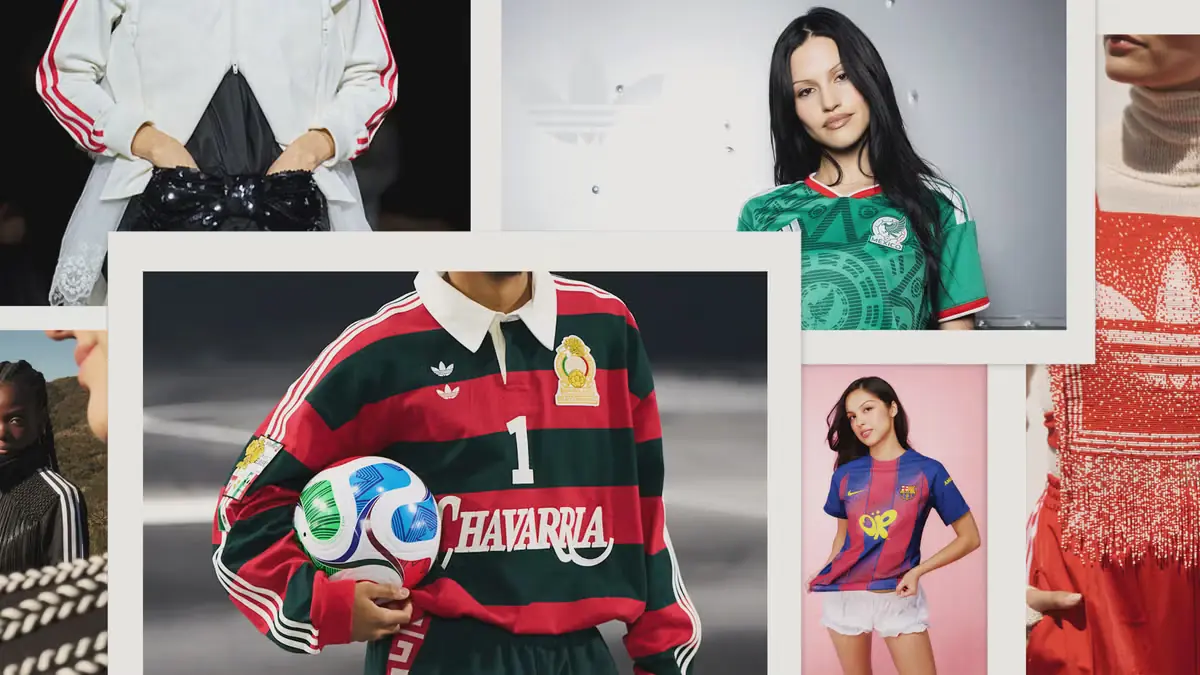
KEY TAKEAWAYS
- •The 2026 FIFA World Cup kicked off June 11 across host cities in the US, Canada, and Mexico, running through the final on July 19 — 39 days of matches activating fashion's most sustained sports moment in years
- •Pinterest searches for 'World Cup jerseys' jumped 840 percent; searches for 'baddie tracksuit outfit' rose 276 percent; jersey-with-heels combinations are also trending upward
- •Simone Rocha and Willy Chavarria both showed Adidas collaborations on the runway; Loewe is dressing Spain's national team; Gabriela Hearst designed Uruguay's uniforms
- •Nike partnered with the Virgil Abloh Archives on an exclusive US Men's National Team collection launching June 16; the US kit itself debuted in stores March 16 and features a stars-and-stripes jacquard designed over three years with direct player input
- •The trend has moved beyond jersey-as-outfit into jersey-as-base — layered over bubble skirts, tucked into cargos, worn with going-out accessories — with athletes themselves, not celebrities, now leading the styling conversation
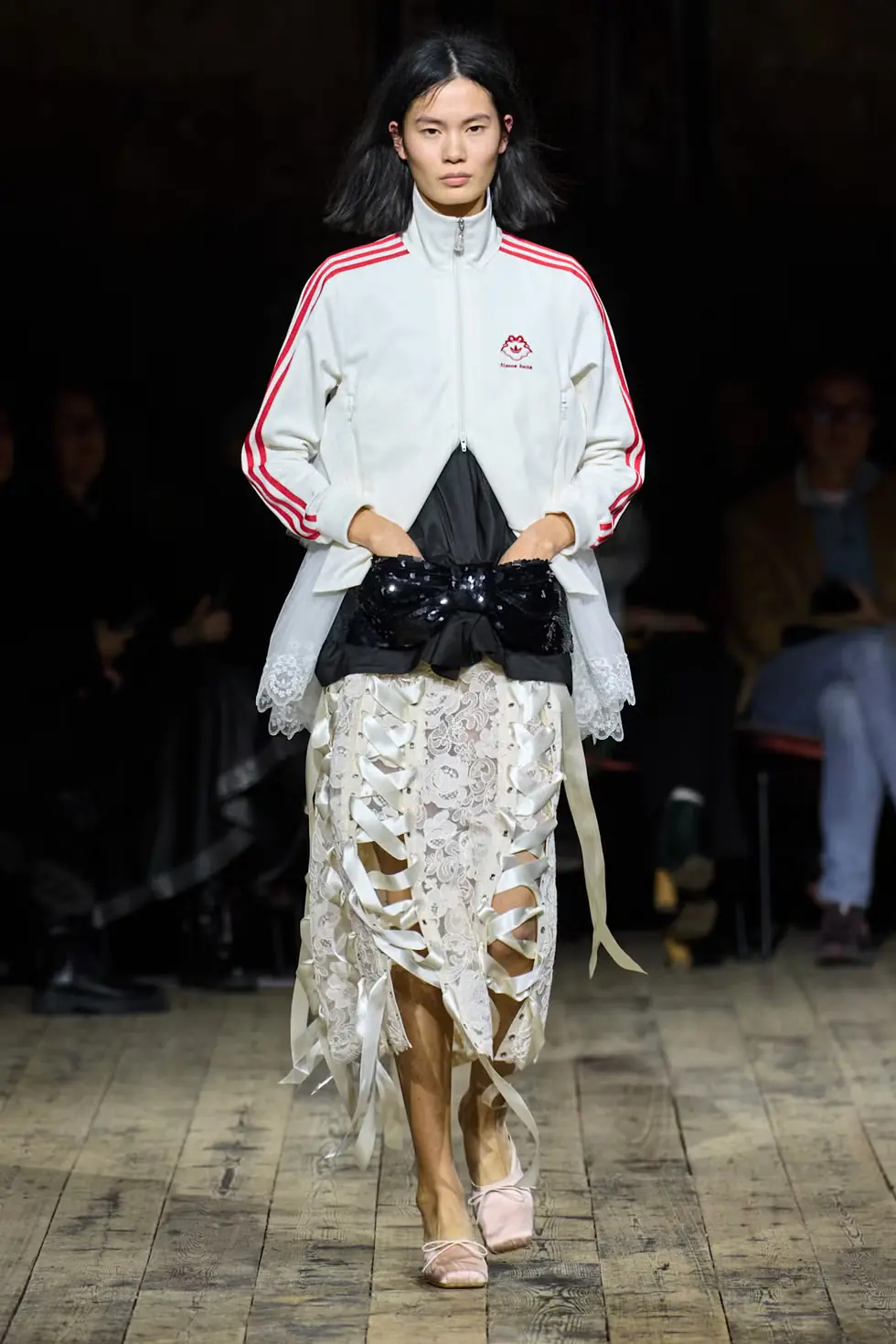
When you think of the Simone Rocha girl, sporty is not the first word that comes to mind. Pearl zipper pulls, yes. Crystals on everything, obviously. But shin guards? Adidas track jackets? Rocha staged exactly that for her Fall/Winter 2026 show — a collaboration with Adidas that produced coquettish, deliberately incongruous versions of athletic staples: track jackets with pearl hardware, shin-guard-like socks encrusted with embroidery and crystals. The collection was not a brand extension. It was an argument. The argument that sport and high fashion are no longer borrowing from each other — they have merged, and the World Cup has made it official.
The 2026 FIFA World Cup kicked off June 11 and runs through the final on July 19, spanning 39 days and 100-plus matches across host cities in the United States, Canada, and Mexico. It is the largest tournament in the event's history by team count and geographic footprint. Fashion noticed early. The runway collaborations, the licensed capsule collections, the Pinterest search data — all of it pointed in the same direction months before kickoff, and the numbers since have confirmed what the industry already suspected: this tournament is a fashion event as much as a sporting one.
The trend it is supercharging had already been in motion. Athleisure — matching sets, logo leggings, the technical performance uniform worn as everyday clothing — has been receding for several seasons, replaced by something less coordinated and more considered. Natural fibers. Unexpected combinations. The kind of studied imprecision that the style world has been reaching for since it collectively decided that looking too put-together was its own form of trying too hard. The World Cup arrived into that opening and filled it completely.
The Moment Fashion Went Full Soccercore
The defining styling move of the 2026 World Cup is not wearing a jersey. It is how you wear one. Pinterest's global trends lead Sydney Stanback is specific about this: the platform is seeing jerseys layered over bubble skirts, cropped, tucked into cargo pants, and styled with going-out accessories in ways that are simultaneously elevated and personal. The jersey-as-base rather than jersey-as-outfit is the distinction that separates this moment from every previous attempt to make football gear fashionable.
Olivia Rodrigo demonstrated the principle precisely. Her FC Barcelona jersey — part of her Spotify collaboration with the club — was paired with ruffled bloomers. A soccer kit worn with what amounts to Victorian underwear-as-outerwear is either ridiculous or exactly right, and the photograph made it look exactly right. That combination — sporting legitimacy on top, fashion reference below — is the formula being replicated across street style globally for the duration of the tournament.
The trend has an atmospheric complement in what the runway has been calling 'blokecore' — the elevated integration of British football casualwear references into fashion's mainstream. Graphic football shirts worn with tailored trousers. Sports socks with dress shoes. The visual language of the stands translated into something a fashion editor might actually wear to a dinner. Simone Rocha's Adidas collaboration was the runway's most formal articulation of that sensibility.
Sneakerinas — the ballet flat and sneaker hybrid that has been one of 2026's defining shoe trends — are appearing regularly as the footwear complement to tiered and flounced dresses at World Cup watch parties and in street style documentation. The shoe connects the athletic and the romantic in a single object, which is precisely the tension the broader soccercore trend is working with.
The 39-day tournament window means the trend has sustained commercial momentum in a way that a weekend event cannot produce. Fashion brands have scheduled drops across the full June-to-July timeline rather than front-loading everything at kickoff. The result is a rolling release schedule that keeps the conversation active and keeps new product arriving while the matches are still being played.
The dominant World Cup styling move of the 2026 tournament combines soccer jerseys with unexpected feminine elements — bubble skirts, bloomers, tiered dresses — rather than treating the kit as a standalone athletic piece.
The Runway Collaborations That Set the Tone
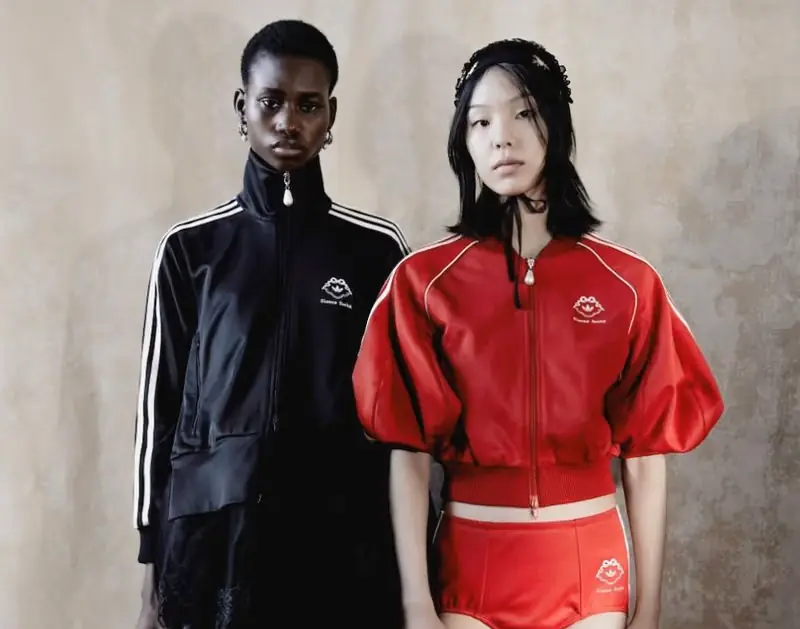
Simone Rocha's Adidas collaboration for Fall/Winter 2026 featured track jackets with pearl zipper pulls and shin-guard-like socks with crystal and embroidery detailing — the season's most precise runway articulation of high-fashion sport.
SIMONE ROCHA X ADIDAS — FALL/WINTER 2026Rocha is not a designer associated with athletic references. That is exactly what made her Adidas collaboration the season's most discussed runway sport moment. Track jackets reimagined with pearl hardware and crystals on shin pads do not soften the sportswear aesthetic — they recontextualize it completely, placing athletic construction in a register that is simultaneously playful and technically accomplished. It is the definition of the current fashion-sport synthesis: neither side compromises, and the result is something neither could have produced independently.
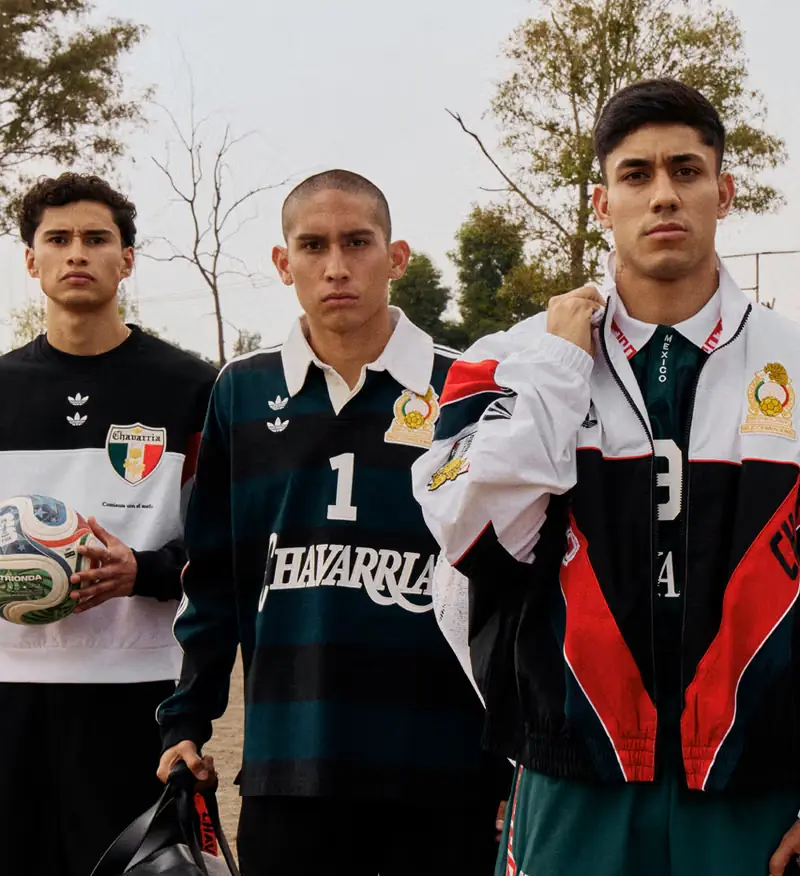
Willy Chavarria's Adidas collaboration, 'Comienza con el Sueño,' launched June 10 with pieces inspired by Mexican heritage and the legacy of the Mexican national team.
WILLY CHAVARRIA X ADIDAS — JUNE 10 DROPReleased June 10 — one day before the World Cup kickoff — Chavarria's Adidas collaboration is titled 'Comienza con el Sueño,' translating as 'it begins with the dream.' Drawn from Mexican heritage and the visual history of the Mexican national team, the collection appeared on his Fall/Winter 2026 menswear runway before becoming a commercial drop timed precisely to the tournament's opening. Chavarria's approach brought craft references and cultural specificity to a collaboration where the instinct might be toward generic sport iconography.
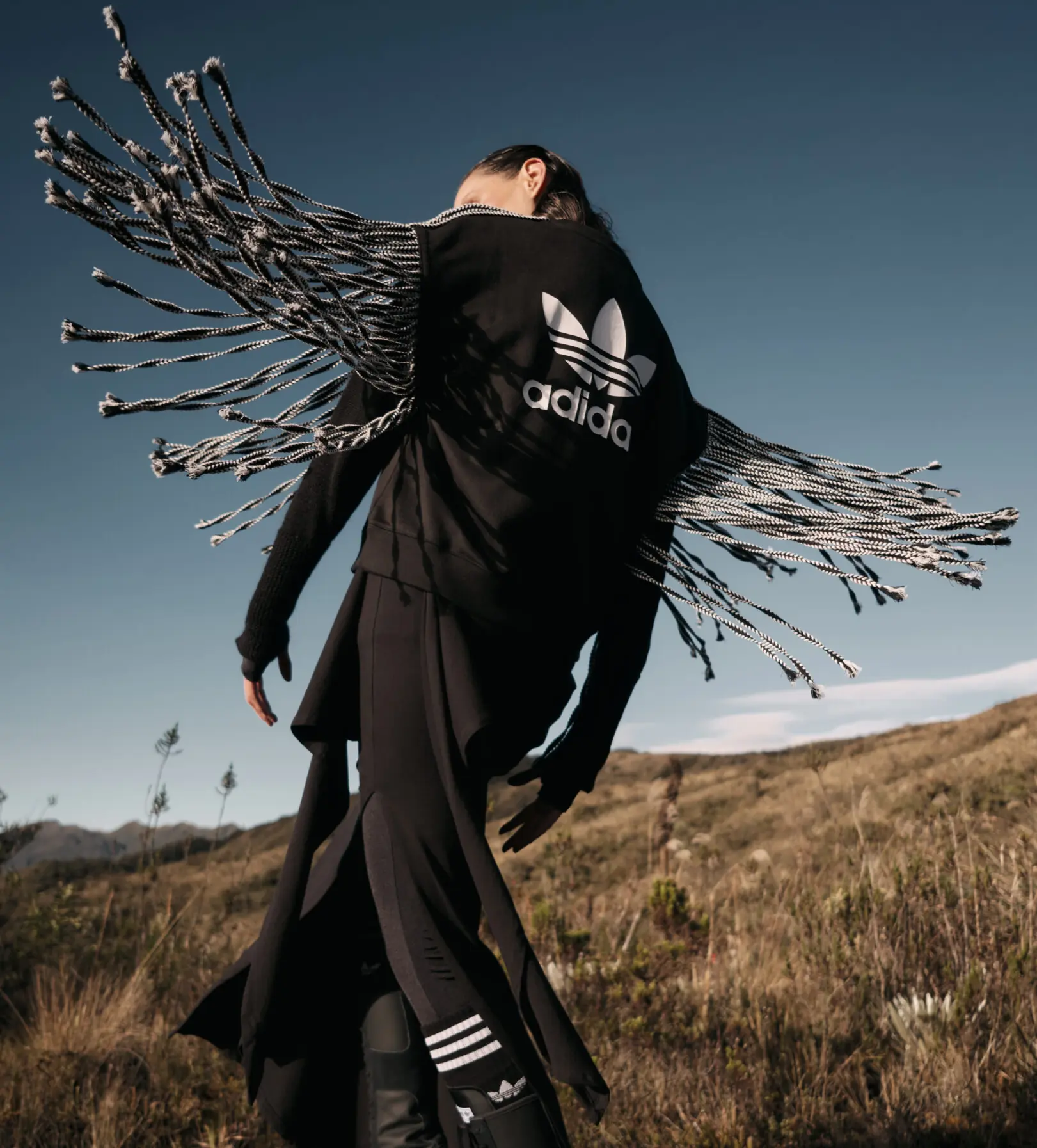
Colombia-based designer Manuela Álvarez brought MAZ's craft-forward aesthetic — beading, fringe, handwork — to her Adidas collaboration, one of the tournament's most distinctive fashion partnerships.
MAZ X ADIDAS — COLOMBIAN CRAFT MEETS THE PITCHManuela Álvarez's MAZ label represents the Colombian craft tradition at its most internationally visible: beading, fringe, textile-forward construction that wears its handwork as a design statement. Her Adidas collaboration applies that sensibility directly to sport — bringing the same attention to material and surface that makes MAZ distinctive in the luxury fashion market to a partnership with the tournament's official sportswear sponsor. The result is the collaboration's most geographically and aesthetically specific entry.
The Brands and Capsules Worth Knowing About
“What's most interesting is how people are styling them. We're seeing jerseys layered over bubble skirts, cropped, tucked into cargos, and styled with going-out accessories in ways that feel elevated and personal. It's become less about dressing like a fan and more about building an identity.”
How to Actually Wear a Jersey Right Now
WHY IT MATTERS
The dominant styling instruction for the 2026 World Cup, repeated across every platform and every publication covering the trend, is built on a single principle: treat the jersey as a starting point, not a statement. The kit — whatever team, whatever colorway — is the base layer. Everything else is the styling.
The most replicated combinations: jersey over a bubble skirt or tiered petticoat-like flounce, with sneakerinas or low-heeled mules. Jersey tucked into high-waisted cargo pants with a structured bag. Jersey cropped or knotted at the waist over a midi slip skirt. Jersey worn loose and long with wide-leg trousers in a tonal match to the kit's secondary color. The unifying logic across all of them is that the jersey's athletic identity is preserved while its formal context is shifted — it is unmistakably a kit, worn in a way that is unmistakably not a stadium.
What This Tells Us About Where Fashion Is Headed
The World Cup fashion moment of 2026 is not a trend in the conventional sense. It is a cultural event with a 39-day window that is functioning as an accelerant for shifts that were already in motion. The rejection of athleisure's coordinated uniformity. The appetite for unexpected category combinations. The shift in style authority toward athletes and away from traditional fashion gatekeepers. The normalizing of luxury fashion inside sporting contexts — not as sponsorship, but as design.
What happens when the tournament ends on July 19 is the more interesting question. Some of what gets activated during a World Cup recedes with the final whistle. Some of it does not. The soccercore reference, in its current form, is attached to a specific tournament moment. The underlying impulse — the desire to build personal identity through sport's visual language, to wear athleticism as cultural positioning rather than functional utility — is not going anywhere. The World Cup made it visible at its largest scale. The pieces it leaves behind will still be in wardrobes in September.
Frequently Asked Questions

Claire Whitmore has spent more than a decade tracking the pulse of global fashion, from the ateliers of Paris to the showrooms of New York. She covers emerging designers, heritage houses, and the business forces quietly reshaping what luxury means today.