KEY TAKEAWAYS
- •The blunt bob features precisely chopped, even ends with minimal layering — think of it as the tailored suit of haircuts
- •It works on all hair types, including fine, curly, and wavy — the approach to cutting and styling simply shifts by texture
- •For fine hair, the key is preserving weight at the ends rather than removing it during the cut
- •Curly hair should be dry-cut to account for shrinkage — wet cutting will produce a result shorter than intended
- •Air-drying with a lightweight styling cream is the preferred finish for a modern, lived-in effect in 2026
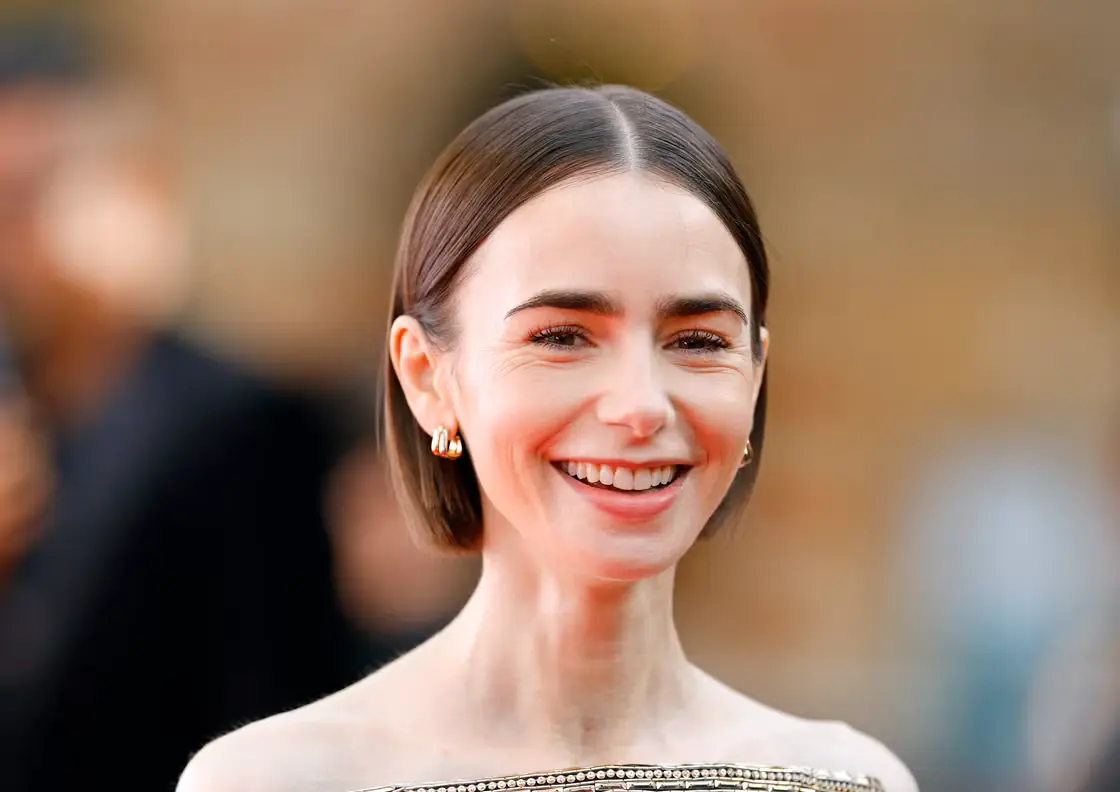
Bob trends cycle through fashion at a reliable pace. The French bob arrives, then the micro bob, then the shag, then something with curtain bangs. But one version of the cut tends to outlast all of them. The blunt bob — clean ends, minimal layering, precise geometry — keeps returning because it solves a problem that trendier cuts frequently create: it looks intentional on almost everyone, regardless of hair type, texture, or face shape. That is not an accident. It is a function of what the cut actually does.
The structure is straightforward. A blunt bob is a bob cut with evenly chopped ends and very little to no layering throughout the length. Some stylists will recommend keeping the front pieces slightly shorter to frame the face, but the defining characteristic is the ends — pristine, uniform, and deliberately unblended. The effect is clean in the way a well-tailored blazer is clean: nothing extra, nothing missing.
What makes it relevant for summer 2026 specifically is its relationship to heat. The cut sits above or at the shoulder, keeps the neck clear, and requires significantly less styling time than longer cuts. It is, practically speaking, one of the more sensible choices for warm weather — and it happens to look sharp while being sensible, which is a combination that never goes out of style.
The Cut That Never Really Left
There is a version of this article that frames the blunt bob as a trend. It is not that article. The blunt bob is not trending in the way that a specific color or a specific length trends — here one season, replaced the next. It is the kind of cut that accumulates appearances across decades precisely because it does not rely on a single cultural moment to justify itself.
What is true is that the blunt bob is particularly well-suited to the current moment. After several seasons of heavily textured, layered, and deconstructed cuts dominating the conversation, the clean precision of a blunt bob reads as a deliberate counterpoint. It is the visual equivalent of going quiet in a loud room — and it carries exactly the same authority.
The summer 2026 context adds practical weight to the aesthetic argument. Shorter cuts that keep the neck clear are simply more comfortable in high heat. The blunt bob delivers that functionality without the styling trade-offs that come with very short cuts — it still has enough length to tuck behind the ear, pull back loosely, or accessorize.
Stylists are reporting consistent client requests for the cut across all hair types, which signals something important: this is not a cut that only appeals to people who already have straight, dense hair. The interest is coming from fine-haired clients, curly-haired clients, and everyone in between — and the execution shifts accordingly.
The consistent thread across all those executions is the end result. Clean ends. Defined silhouette. A cut that reads as considered rather than default. That is the blunt bob's enduring commercial case — and it holds across textures.
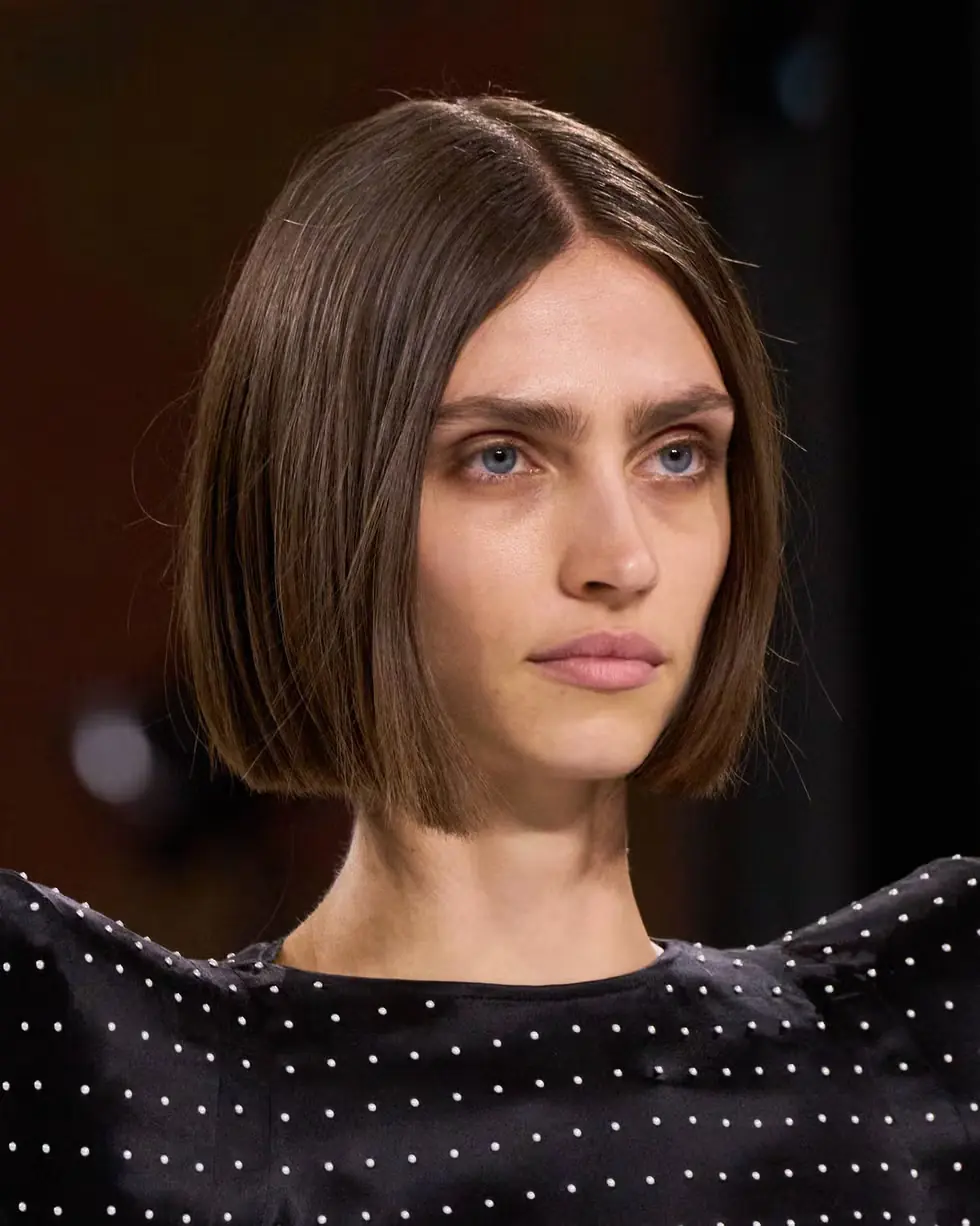
The blunt bob has appeared consistently across 2026's runway and street style — a signal that the cut's current moment is more enduring than trend-driven.
How to Tailor the Cut to Your Hair Type
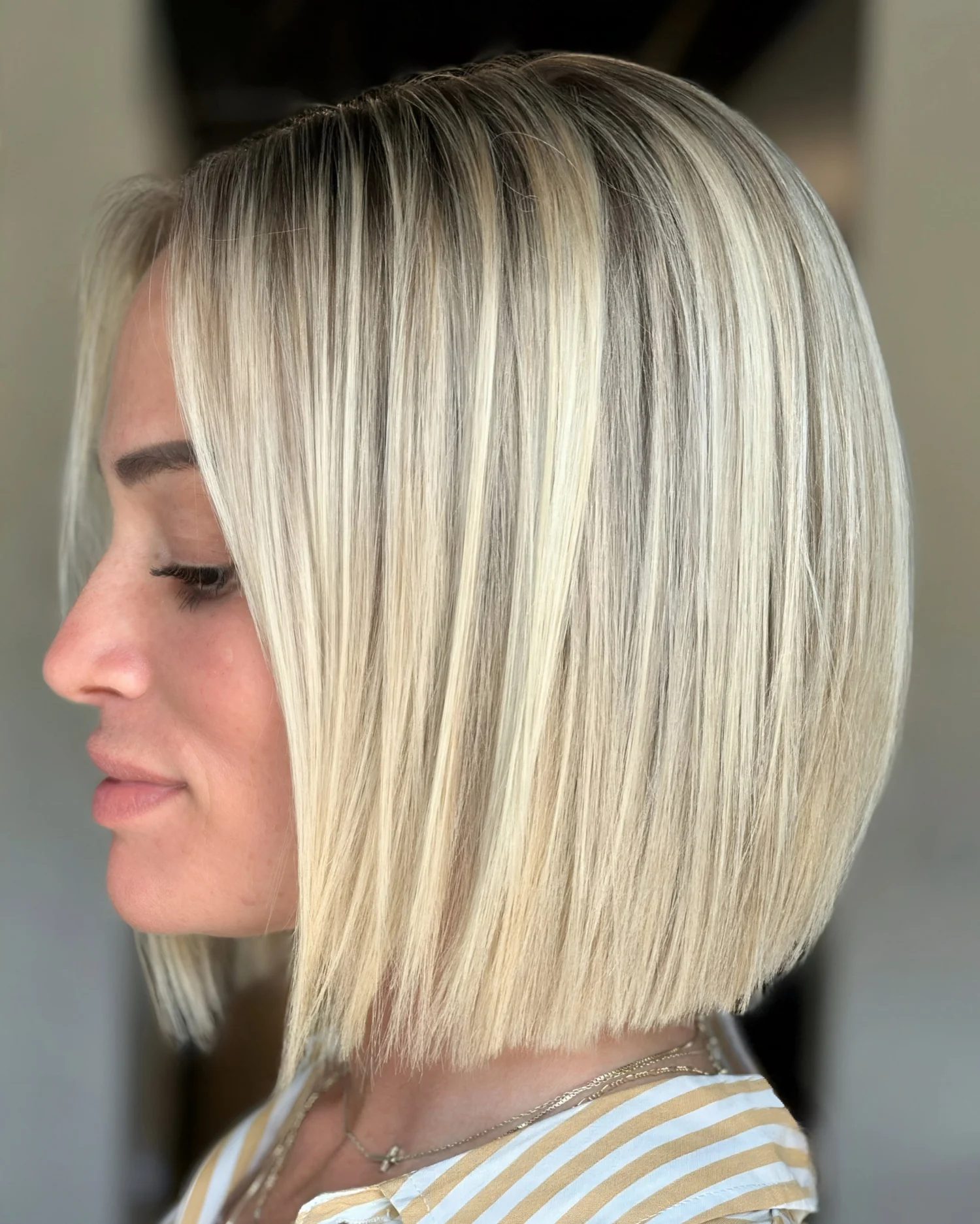
For fine hair, the key is preserving weight at the ends — not removing it. The blunt cut's structure does the heavy lifting.
FINE HAIR — PRESERVE THE WEIGHTFine hair and blunt cuts have a productive relationship that is frequently underestimated. The blunt cut's uniform ends create a visual density that fine hair on its own cannot always produce. The critical instruction for fine-haired clients, according to Silver Mestre at Hershesons Fitzrovia, is to avoid taking out too much weight during the cut itself. The blunt end is what gives fine hair its apparent fullness — thin it out and you lose the effect entirely.
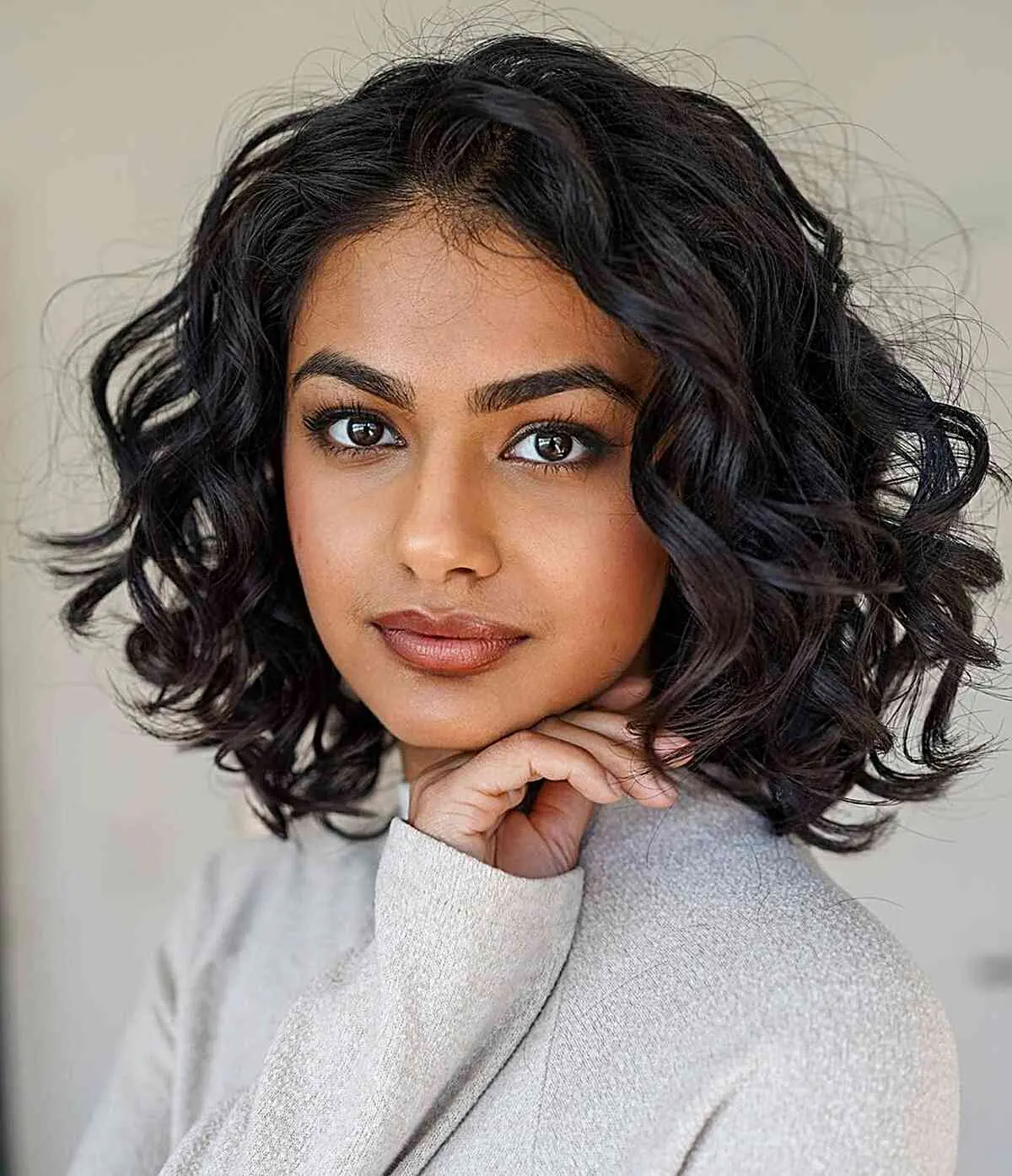
Curly blunt bobs should always be dry-cut — wet cutting will produce a result significantly shorter than intended once the curls spring back.
CURLY HAIR — DRY-CUT ONLYCurly hair requires a specific technical adjustment: the cut should always be done dry. Curls shrink as they dry, sometimes substantially, which means a cut done on damp or wet hair will end up shorter than the client intended once everything has dried fully. Dry-cutting each curl individually ensures the finished silhouette matches what was discussed in the chair. The payoff is significant — a blunt bob on curly hair delivers volume, movement, and a defined shape that wet-cutting simply cannot replicate.
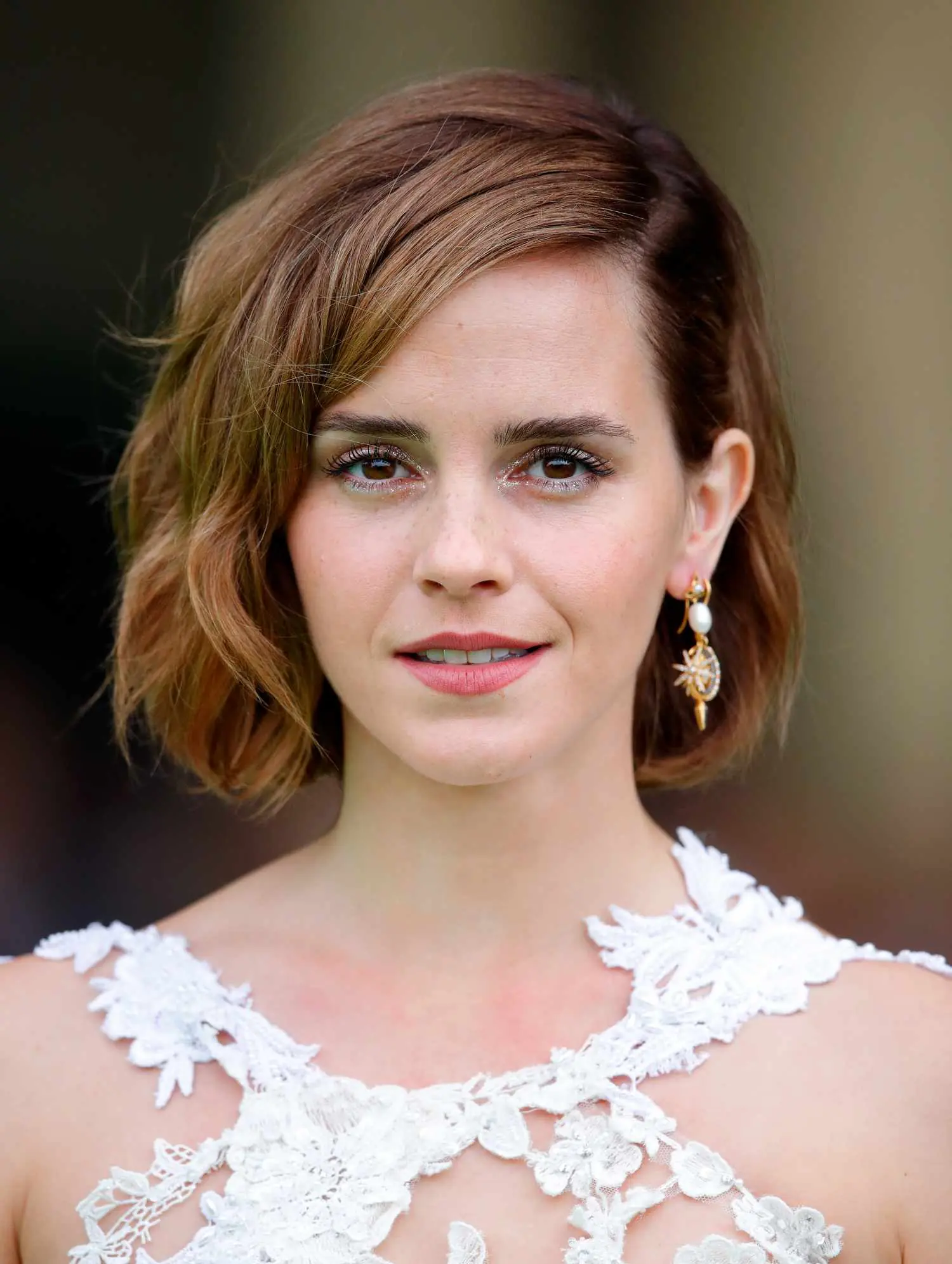
Wavy hair and the blunt bob are a natural pairing — the cut's clean ends contain and define the wave pattern without flattening it.
WAVY HAIR — NATURAL MOVEMENT AS AN ASSETWavy hair sits between the structural concerns of fine hair and the shrinkage issues of curly hair, and the blunt bob handles it cleanly. The even ends contain the wave pattern and give it a defined border, which prevents the diffuse, shapeless look that wavy hair can produce at longer lengths. Minimal layering preserves the wave's natural volume while the blunt line gives the whole cut a deliberate silhouette.
How to Wear a Blunt Bob in 2026
“The blunt bob is the tailored suit of haircuts. It is clean, it is polished, and it does not require a trend cycle to justify it. The 2026 version is less about geometry for its own sake and more about natural movement within a precise structure — air-dried, lightly styled, and worn with enough confidence to let the cut speak for itself.”
The gap between a blunt bob that looks retro and one that looks current is almost entirely a styling question. The cut itself is neutral — it does not belong to any single decade. What dates it is the styling approach. Heavy straightening, rigid lines, and high-shine finishes push it toward an older reference. Air-drying, natural movement, and relaxed placement keep it squarely in the present.
Mestre's recommendation is explicit on this point: resist the urge to flatten the cut into perfect geometry. The lived-in version of the blunt bob — with natural movement preserved and frizz managed rather than eliminated — is the one that reads as modern. It is also significantly easier to maintain on a daily basis, which is a practical argument that carries weight across a summer of high temperatures and high humidity.
The Accessories That Make It Work
WHY IT MATTERS
The blunt bob's clean silhouette makes it a particularly good base for accessories, because the cut's precision gives pins, clips, and barrettes something defined to work against. An accessory placed on a diffuse or heavily layered cut disappears into the texture. On a blunt bob, it registers immediately.
The styling range is wider than the cut's minimalist reputation suggests. Barrettes and pins introduce a playful, whimsical quality that sits comfortably against the cut's geometry. Flipped ends — achieved with a round brush or fingers during the drying process — pull the blunt bob toward a preppy, 1990s reference that has been circulating consistently through 2026 styling. Tucked behind the ear is the simplest and most adaptable option: polished without being formal, finished without being constructed.
What to Ask Your Stylist
The conversation to have before the cut depends on hair type. For fine hair: ask the stylist to preserve weight at the ends and avoid thinning shears across the length. The blunt end is what creates the appearance of density — removing weight to make the cut feel lighter will undermine the effect.
Frequently Asked Questions

Natalie Avery covers the full spectrum of modern beauty — from lab-backed skincare breakthroughs to the cultural conversations driving clean and conscious wellness. Her writing brings both scientific grounding and genuine enthusiasm to every story she tells.