KEY TAKEAWAYS
- •Seth Rogen spoke to The New York Times in an interview published June 13, discussing his 15-year marriage to actress and producer Lauren Miller
- •Rogen's two-part formula for a lasting marriage: caring and tenderness — defined as genuinely wanting to love your partner and wanting that love returned
- •He also described the daily practice of a good relationship as going out of your way to excuse your partner rather than looking for reasons to be annoyed
- •The marriage comments arose during a conversation about his role in Olivia Wilde's new film The Invite, in which he plays a man in an unhappy relationship
- •Rogen and Miller met in 2005 and married in 2011; they have collaborated on multiple projects including his upcoming animated film Tangles
Seth Rogen does not frequently discuss his marriage. That is not a criticism — plenty of couples in the public eye decide that the relationship is the one part of their life that stays private, and the Rogen-Miller approach has been consistent on this for two decades. Which is exactly why the New York Times interview published on June 13, in which Rogen talked at some length about what makes a marriage work, landed as cleanly as it did. When someone who almost never discusses their relationship does discuss it, the specific words they use tend to be ones they mean.
The context was Olivia Wilde's new film The Invite, in which Rogen plays a man in an unhappy marriage. Preparing for the role required exactly the kind of conversations about relationship definitions that actors and directors and writers have during rehearsal — what does a good relationship look like, what does a bad one look like, and what is the specific failure mode the story is built around. Rogen said that in those conversations, he found himself able to speak with real confidence about what a good relationship looked like, because he had been in one for a very long time.
His definition came down to two things. Caring and tenderness. He framed them not as passive qualities but as active ones — you have to want to love your partner, and you have to want them to love you back. The distinction between feeling love and wanting to feel love is subtle, but it is the kind of precision that comes from someone who has been paying attention to their own relationship for 21 years rather than describing a general principle.
What Seth Rogen Actually Said
The New York Times interview, published on June 13, covered Rogen's career and upcoming projects. The marriage conversation was a thread within it rather than the subject of a standalone profile, which is part of what makes the comments feel genuine rather than managed. Rogen was not sitting down to talk about his relationship. He was talking about a film, and the film required a conversation about relationships, and he had something real to say.
He described a good relationship as one where both people are nice to each other, love each other, and go out of their way to excuse the other person rather than to find things to be annoyed about. That last part — going out of your way to excuse your partner — is the daily practice version of caring and tenderness. It is not the grand declaration of commitment. It is the smaller, more consistent choice to interpret your partner charitably when you could do otherwise.
His full definition: 'It comes down to caring and tenderness. You have to want to love your partner, and you have to want them to love you back. You have to be intimate with your partner and sexually attracted to your partner, and that should be returned as well.' The sexual attraction component is the part that gets quoted most readily. The wanting is the part that matters most. You can be attracted to someone without actively wanting to love them. Rogen is describing the latter as the required ingredient.
The comments appeared in a wider magazine interview rather than a dedicated relationship profile, which is consistent with how Rogen and Miller have handled their personal life throughout the relationship. They appear together publicly. They do not explain their relationship publicly. The New York Times context — a career interview that happened to get into relationship territory — is the mode they have used on the rare occasions when they have addressed it at all.
Lauren Miller was not interviewed for the piece, which means the picture Rogen painted is his own account rather than a jointly managed public statement. That is a meaningful distinction. He was describing his marriage from inside it, in the middle of a conversation about a character in an unhappy one, without apparent preparation for the exchange.
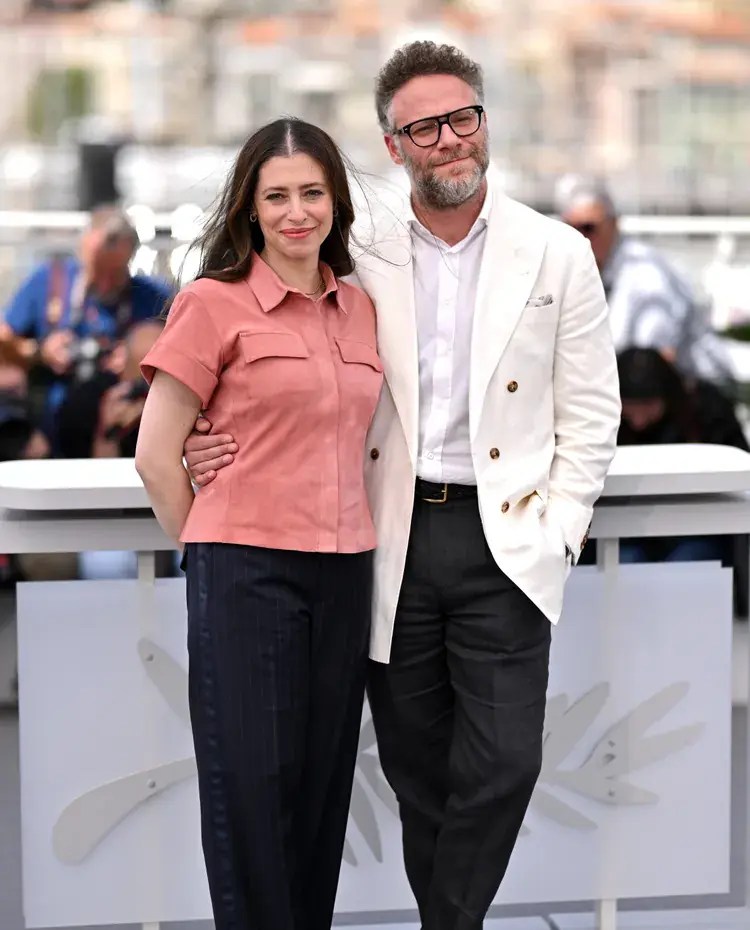
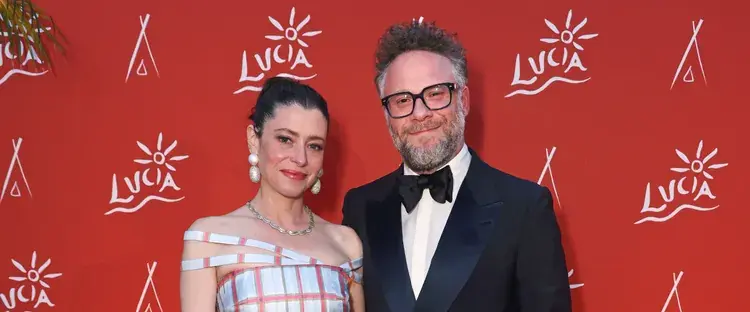
Seth Rogen and Lauren Miller photographed together at Cannes on May 14, 2026 — five weeks before the New York Times interview in which Rogen outlined his definition of a good long-term relationship.
What 'Caring and Tenderness' Actually Means in Practice
“It's a couple who is nice to each other, who loves each other and who goes out of their way to excuse the other person rather than to find things that they hate about the other person. To me it comes down to caring and tenderness. You have to want to love your partner, and you have to want them to love you back.”
The two-word formula — caring and tenderness — is the headline version. The full description is more specific. Caring is not the same as being fond of someone. It is an active orientation toward them. Going out of your way to excuse them rather than to find reasons to be annoyed is caring in action — the daily decision to interpret your partner's behavior generously when an uncharitable interpretation is also available.
Tenderness is the physical and emotional register of the relationship. Rogen is specific: you have to be intimate with your partner and sexually attracted to your partner, and that needs to be mutual. The word intimate is doing more work than the word sexual here. Intimacy covers the full range of closeness — vulnerability, physical proximity, the kind of conversation you do not have with anyone else. Sexual attraction is a component of that intimacy rather than the whole of it.
The Professional Partnership Behind the Personal One
WHY IT MATTERS
One aspect of the Rogen-Miller relationship that rarely gets discussed is that it has always been a working partnership as well as a personal one. They have collaborated on multiple film projects across the 21 years they have been together. Miller's directorial career has developed independently of Rogen's acting career, and they have also made things together — Tangles being the most recent example.
That professional dimension is relevant to the caring-and-tenderness formula in a specific way: working with a partner on a shared creative project is one of the most reliable stress tests a relationship can face. Creative disagreements, competing visions, the pressure of a production — these are exactly the conditions under which going out of your way to excuse the other person rather than finding things to dislike about them is most difficult and most necessary. The relationship has been tested in exactly those conditions, repeatedly, and has continued.
What Makes This Kind of Relationship Comment Different
Celebrity relationship commentary comes in several varieties. There is the promotional variety, where a couple discusses their relationship as part of a shared project's press tour. There is the crisis management variety, where public statements address a reported problem. There is the rare variety — the one Rogen's New York Times comments belong to — where someone discusses their relationship because the conversation arrived there naturally and they had something honest to say.
Rogen and Miller have not used their relationship as a promotional tool across 21 years. They have appeared together publicly. They have not explained themselves publicly. The fact that this interview, in which Rogen spoke about his marriage with specificity and evident conviction, was not a relationship interview — it was a career interview that arrived at the relationship via a film about an unhappy marriage — is what makes the comments worth the attention they have received. He was not prepared to say this. He said it anyway, because it was what he actually thought.
Frequently Asked Questions

Jordan Monroe tracks the relationship between celebrity, fashion, and cultural influence with a sharp and discerning eye. From red carpet moments to off-duty street style, she follows how public figures shape global taste — and which brands are smart enough to follow their lead.