KEY TAKEAWAYS
- •Beauty editor Lauren Valenti says her 3b curls loosened and lost root volume in the months after giving birth in February
- •Postpartum shedding usually peaks around four months, and most women see normal fullness by their baby's first birthday
- •Research on why curl patterns shift after pregnancy is limited, so many women are left guessing about what comes next
- •Valenti now relies on a lift brush, mousses and foams, and a small curling iron to rebuild shape and volume
- •Experts quoted say scalp care, light product use and time matter most, and hair may keep changing for years
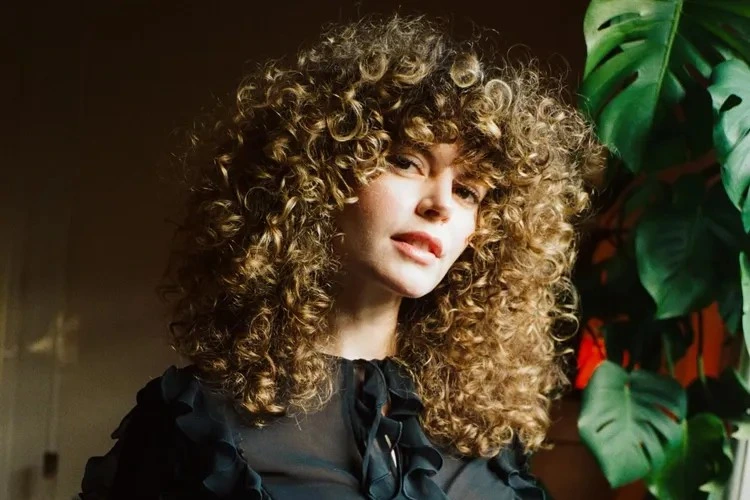
Pregnancy and childbirth can change hair in ways that go well beyond shedding. For beauty editor Lauren Valenti, the shift loosened the 3b curls that had defined her look for nearly a decade, and nine months after her son was born she is still rebuilding her styling routine around them.
Valenti, a New York beauty editor with more than ten years in the industry, welcomed her son, Desmond, in February. She says the hair changes caught her off guard even though she writes about hair for a living, and she has spent the months since testing new tools, formulas and habits. Her approach has been less about chasing her old curls and more about learning to work with the ones she has now.
A Warning She Hadn't Taken Seriously
A month before her due date, a doula at a Brooklyn birth class told Valenti her curls might unwind after the baby arrived. She says she brushed it off. The comment came rushing back about three months postpartum, when photos from a friend's wedding in Nashville showed flat roots and looser, less defined curls. Looking back, she realized her hair had been acting differently for a while.
The change hit hard because her hair carries a lot of meaning for her. She straightened it for the first 24 years of her life, then began wearing her natural curls around 2015 and has since built her look around a big, voluminous blonde shag.
What Pregnancy and Birth Do to Hair
Hormones explain part of the story. Higher estrogen during pregnancy keeps more follicles in their growth phase, which is why many women notice thicker hair. After delivery, hormone levels drop and more follicles move into a resting phase. The resulting shedding is called telogen effluvium. It typically peaks around four months postpartum, and most women regain their usual fullness by their baby's first birthday.
A changing curl pattern is a different matter. Valenti notes that plenty of women describe it, including her mother, whose curls went straight after one pregnancy, and a close friend whose pin-straight hair turned curly after two kids. Clinical research on why it happens, or how long it lasts, is sparse. Her own stylist, Mischa G of Treehouse Social Club in Manhattan's East Village, told her honestly that she could not predict how things would turn out.
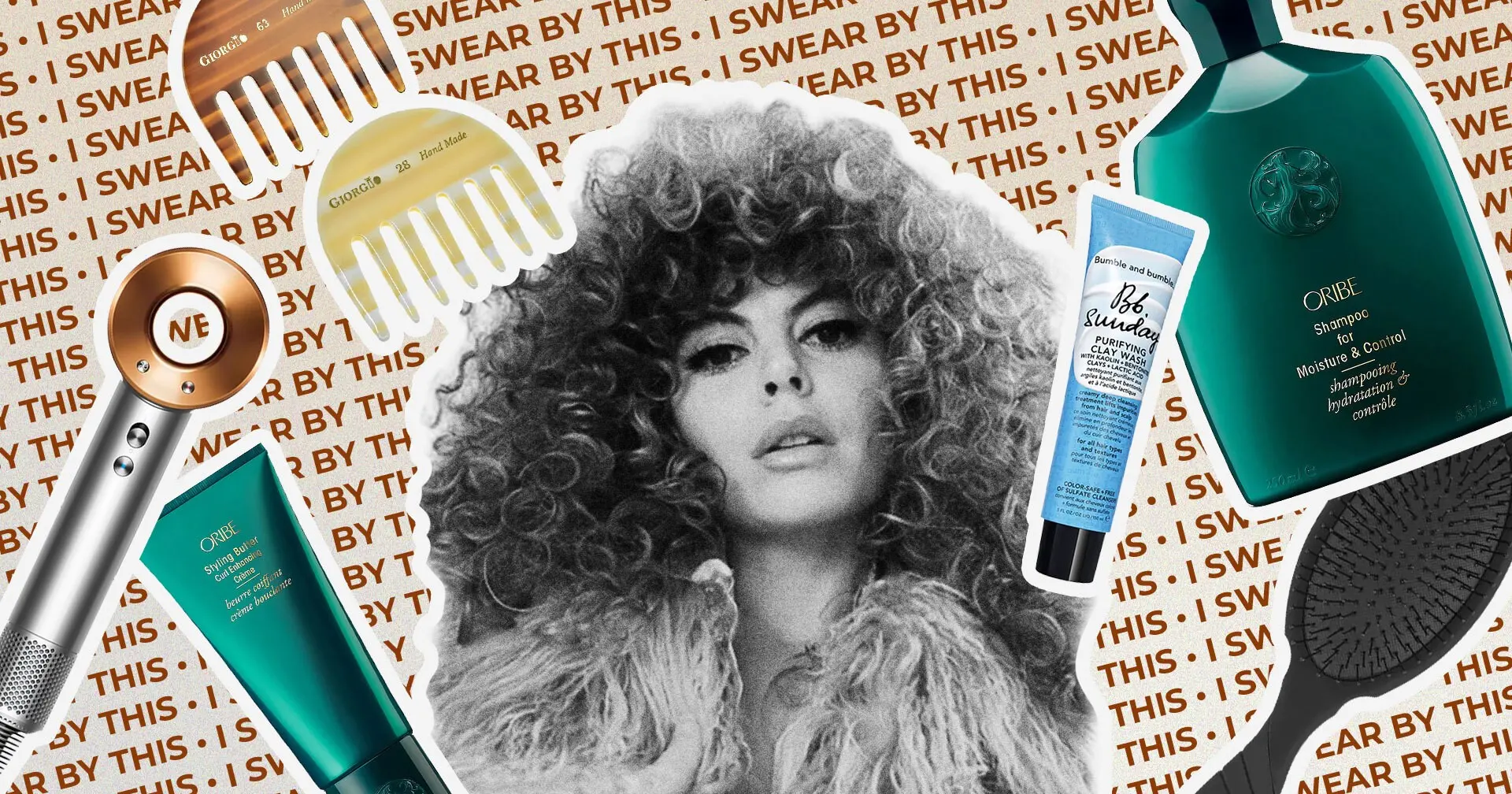
A lift brush, a mousse or foam and a small curling iron now anchor Valenti's routine.
The New Curl Routine
With little postpartum guidance to find online, Valenti turned to social media, where curl-focused creators, and even a self-styled curl doctor, filled her feed. After weeks of watching tutorials during nursing sessions, she started what TikTok calls curlmaxxing.
Her old method was simple: curl cream, scrunch, diffuse. The new one takes about twice as long. She starts with Bounce Curl's Volume EdgeLift Brush ($30), whose grooved design lifts roots and sharpens definition before any product goes on. She has also traded her light curl cream for mousses and foams, rotating between Oribe Curl Shaping Mousse ($42) and Act + Acre's Stem Cell Thickening Foam ($52). Both add airy volume without a stiff feel. She still scrunches and diffuses afterward.
For loose, mismatched strands near her bangs and roots, she uses the 3/8-inch barrel on Pattern Beauty's Interchangeable Curling Iron ($259). Touch-ups take 10 to 15 minutes, and she says the result gets her closer to her pre-baby shape than she expected.
Scalp Care and Strengthening Treatments
Hairstylist and trichologist Helen Reavey, founder of Act + Acre, says hormone shifts can alter the scalp's balance, affecting oil production, dryness and itchiness. Her advice is to look after that environment so hair has a healthy place to grow. Valenti has followed that idea for six months, applying Act + Acre's 2% Stem Cell Scalp Serum ($86) daily, especially along her hairline, and taking Omi Hair Growth Peptides ($258).
She also uses a weekly Highbrow Hippie Instant Silk Vitality Hair Mask ($68) on her mid-lengths and ends, and a smoothing oil, R+Co Bleu Optical Illusion ($59), for shine and flyaways. Valenti says fresh growth along her hairline is getting longer and her shag is beginning to look thicker.
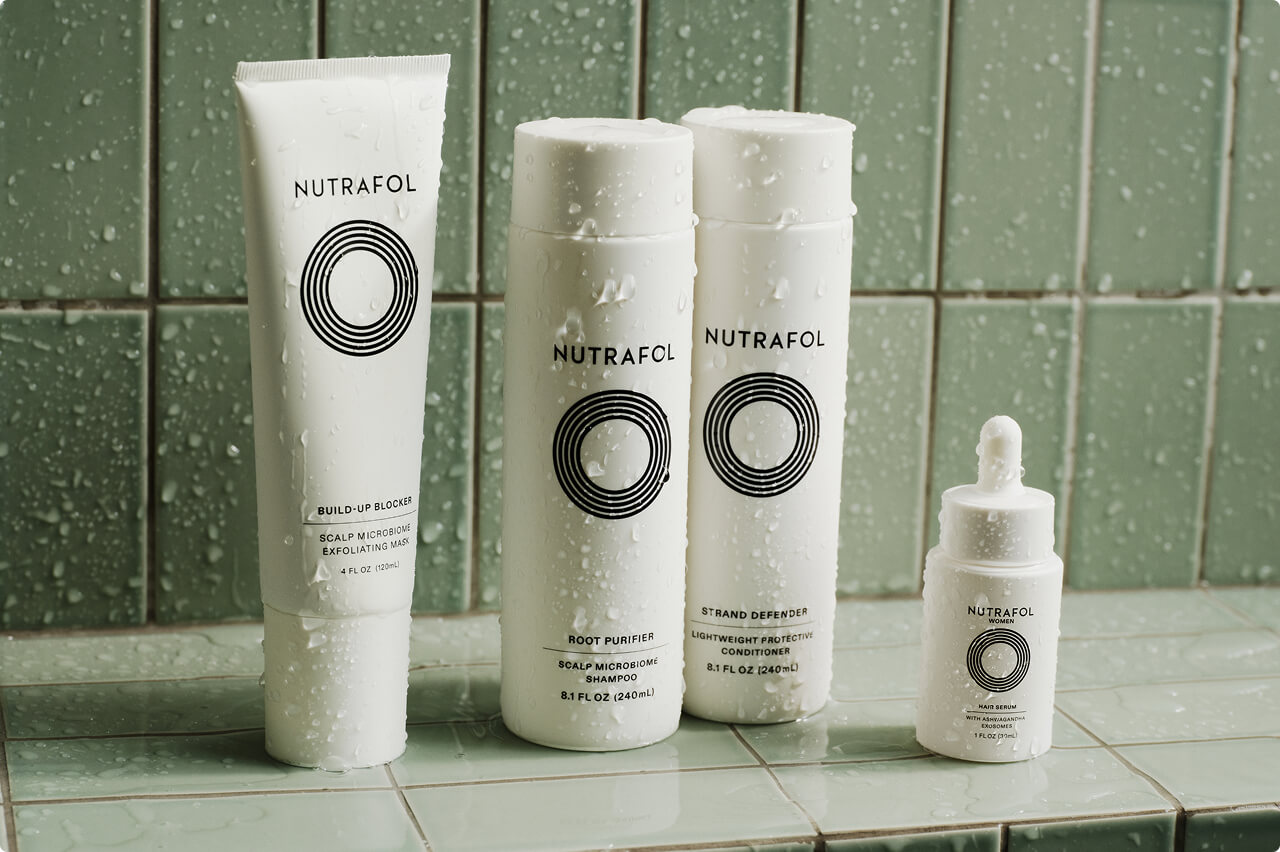
Daily scalp care and weekly masks round out the routine.
Experts Say Time Does the Heavy Lifting
Neither of the pros Valenti spoke with promises a quick fix. Reavey stresses that the changes are temporary and warns against piling on too much product, which is a tricky balance when a person is styling with extra heat and product to cope. Kadi Lee, a celebrity colorist and founder of Highbrow Hippie, says there is no real shortcut and that hair can keep changing for years.
Valenti expects her curls to stay in flux for roughly another year as her hormones settle, so she is trying to give them breathing room while still styling them.
Hair, Identity and Letting Go of the Old Baseline
Beyond the routine, Valenti says the experience has made her think harder about hair and identity. She points to Kajal Odedra's essay collection, Hair/Power: Essays on Control and Freedom, which explores the author's shifting relationship with her hair as an Indian woman. One line about hair continuing to challenge us stuck with her.
She jokes that her son, whose blonde ringlets are coming in fast, took her curls. She knows that is not quite true, since hormones will keep shifting as she ages. Now in the second half of her 30s and spotting a few new silver strands, she says she has begun to accept that, and that being flexible may be the most useful styling skill of all.
What to Take From Her Experience
Valenti's story points to a few practical ideas for anyone whose curls are changing after pregnancy. Lift the roots first with a brush, switch to a lightweight mousse or foam, and use a small curling iron only on the sections that have lost their pattern. Add scalp care and a weekly mask, but go easy on product. Most of all, expect the process to take a while.
Frequently Asked Questions

Derek Calloway writes about the way people actually live — their homes, their habits, their relationship with style and self. His columns explore travel, design, food, and the quieter rituals that define a life lived with real intention.